← Back to The HUT

September 1970 · Vol. 4 No. 11

September 1970 Magazine (Vol. 4 No. 11)

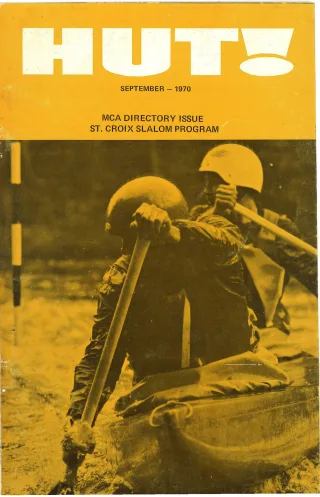
Issue first-page cover

Magazine · 24 pages

September 1970 Magazine (Vol. 4 No. 11)

Captured text — scan page 9

Automatically captured text may contain recognition errors. Compare it with the original scan.

from the DITOR

“Numerous acentury ago, this race may now survive in only five
places , including the Udjong Kulon Reserve (where the last popula-
tion estimate was nine) and the Betiri Reserve... (five). Though
shooting permits have been required in Java since 1940, uncontrolled
hunting has brought this tiger and the Javan rhinocerous to the most
perilous state..."--James Fisher in Wildlife in Danger.

"The big cats will never be eradicated by man," you may have
thought, but onthe contrary, the big cats are in big trouble as are
a vast number of species on this planet. No canoeist needs to be
told that the presence of man has a devastating influence on wild-
life. Hunting andthe destruction of habitat are the worst problems
we face. Introduction of animals to a new area has also been the
cause of wildlife destruction. Manis sodestructive that the list
of endangered species is growing at a rapid rate.

It is estimated that 76 percent of the extinct birds and 67 per-
cent of the extinct mammals were lost because ofman. The year 1600
is usually taken as the point where manhas begun his destruction of
fauna. In 1600 there were about 4,226 living species of mammals.
Thirty-six percent of those have become extinct and 128 are in dan-
ger of extinction. In 1600 there were 8,684 living species of birds;
94 are now extinct and 187 are near extinction. Alan Solem of the
Field Museum of Natural History of Chicago states that "...man has
wiped out 10,000 species of insects and snails in-the last 200 years."

It is probable that the coming years will showus more problems.
Some species of mouse have become extinct because a developer has
simply plowed under their entire population. Some species of prairie
grasses are virtually extinct because the prairie has been converted
to farm land--but the DDT residues are a more complex problem. It
will take more than effort to save our birds of prey. It seems prob-
able that we will lose a great many battles to save endangered
species because we willbe too late. A single natural disaster will
be sufficient to wipe out the whooping crane, no matter what its
numbers, because of the limited habitat.

Species have always become extinct. Sometimes an ice age may
have beenthe cause. More oftenitis another species which becomes
better adapted tothe environment and evolves as the dominant form.
The extinction of man would not be a catastrophe in the natural
sense. Many new forms would replace those we have destroyed and in
a million years there would benotrace. The extinction of man would
be a blessing with regard to life as a whole because, although we
will soon have the ability to control life genetically, we threaten
to put so much long range radioactivity into the earth that life
could not maintain an undisturbed reproductive cycle and might mu-
tate rampantly.

Alan Solem writes of his study of land snails: The island snails
I now study are vanishing rapidly. Saving themis not possible..."
Unlimited money, help, and cooperation would not be sufficient to
reverse the trends. So I collect and I study. When I can, I help
efforts to save natural areas and preserve endangered species. This
still is little compared with the need."

Articles (9) · Summaries (9)

Generated issue overview: September 1970 issue of HUT!, volume 4, number 11, published by the Minnesota Canoe Association. The issue includes canoe-trip reports and announcements, association news, conservation commentary, slalom information, a Quetico travel series, and a camp-cooking recipe.

Generated summaries are descriptions, not original captured text. Page-range text shows complete scan pages and may include neighboring material.

Annual Lower St. Croix Cruise October 4

Title transcribed from original publication

Generated summary: A humorous first-person piece promotes the annual MCA St. Croix cruise and canoe builders gathering, describing the route, supper plans, canoe voting, and a fanciful cast-iron canoe.

Open scan page 5

Read captured page 5 →

MISSISSIPPI CRUISE PROVES TO BE LEARNING EXPERIENCE

Title transcribed from original publication

Generated summary: A report describes an August Mississippi River cruise in low water, where paddlers encountered small rapids, learned to read the current and sandbars, and enjoyed a pleasant day.

Open scan page 7

Read captured page 7 →

ACTING PRES

Title transcribed from original publication

Generated summary: The acting president thanks MCA members who took over membership records, mail, magazine mailing, treasury work, and banquet arrangements while he prepared for a canoe-racing trip to Quebec.

Open scan page 8

Read captured page 8 →

From the Editor

Title transcribed from original publication

Generated summary: An editorial warns that human activity is accelerating wildlife extinction through hunting, habitat destruction, and other impacts, and reflects on efforts to protect endangered species and natural areas.

Open scan page 9

Read captured page 9 →

3M Chapter Hosts Meeting

Title transcribed from original publication

Generated summary: A short report recounts an August 19 3M chapter gathering at Ramsey County Beach on White Bear Lake, with about 150 people attending for outdoor activities and socializing.

Open scan page 10

Read captured page 10 →

Incident at Moose Lake Landing, BWCA

Title transcribed from original publication

Generated summary: The author recounts thanking a Forest Service worker at a Boundary Waters landing and urges readers to recognize and appreciate the people who maintain the area.

Open scan page 15

Read captured page 15 →

Passing the Paddle

Title transcribed from original publication

Generated summary: A photo-feature caption describes a racer receiving a spare paddle during the Marinette Race and recounts an earlier mishap in which a bag of hamburgers was dropped into the Mississippi River.

Open scan page 18

Read captured page 18 →

The Wayward Wind

Title transcribed from original publication

Generated summary: The fourth installment describes exploring lesser-traveled lakes and routes in Quetico, sharing observations about portages, campsites, fishing, and finding secluded waters.

Open scan page 20

Read captured pages 20–21 →

Portage Smoked Fish

Title transcribed from original publication

Generated summary: A camp-cooking recipe explains how to salt and cook whole freshwater fish in soaked newspaper and a paper bag over glowing coals. The recipe is credited to Jean-Marie Fisher's 1970 wilderness-cooking book.

Open scan page 22

Read captured page 22 →